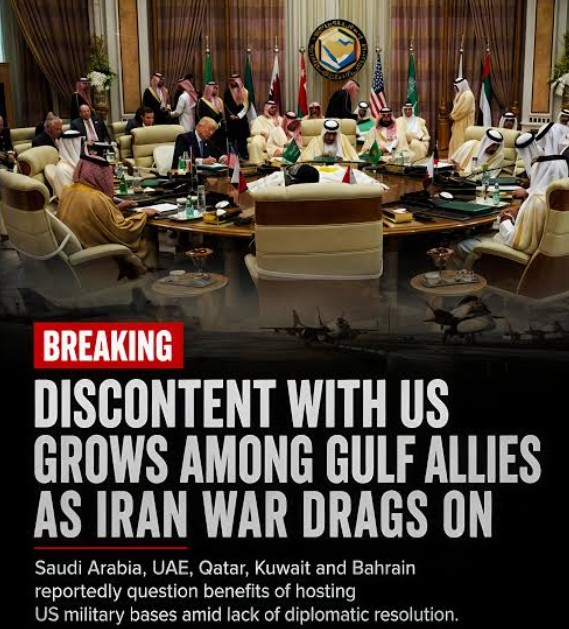
The warning came in private. The Wall Street Journal reported on October 28 that Washington had told Gulf states to expect a "brief but intense" campaign against Iran after the midterms, and that a Patriot air-defense system was being shipped from Texas to Israel. The AP, citing two diplomats, reported on October 29 that the action could last several days and that allies were urged to take precautions, because Iran's response is expected to include strikes on energy facilities and other critical infrastructure. President Trump has said he will not attack before November 3 and has not made a final decision. According to the Journal, CENTCOM commander Adm. Brad Cooper briefed him in person on military options on Thursday.
At sea, the claims came from Tehran. On Tuesday, October 27, Iran's army said an oil tanker hit naval mines and caught fire after taking a route Iran had not authorized. On Thursday the Revolutionary Guard said three more tankers had struck mines on "the unauthorized southern route," and Iran's navy later reported another tanker damaged east of the strait. None of the mine strikes has been independently confirmed, and the counts vary by outlet. The UK Maritime Trade Operations center separately reported a tanker struck by a projectile on Thursday, with no injuries reported. CENTCOM says it has cleared the strait of mines; an IRGC spokesman answered on X, "Prove your claim of mine-clearing in the Strait of Hormuz with independent evidence, not a statement!"
The diplomatic track moved in the same week. Qatari mediators handed Iran a new draft deal on Sunday, October 25, according to Reuters. Officials from Saudi Arabia, Pakistan and Turkey met Iranian counterparts in Tehran on Monday, and Qatar's emir met Iranian President Masoud Pezeshkian in Moscow on Tuesday. "The ball is now in Iran's court," said Qatari foreign ministry official Ibrahim Al-Hashmi. A senior Iranian official told Reuters on Wednesday that Qatar had brought "unacceptable" ideas and that Tehran would show no flexibility on the nuclear issue. The same day Foreign Minister Abbas Araghchi wrote that Iran "continues to give diplomacy a chance to succeed." Tasnim said Iran's core conditions stand: an end to the US blockade of its ports, sanctions relief and the release of frozen assets. An official told CBS News a formal response is expected by the end of the week, most likely Saturday.
A second channel opened as well. Vice President JD Vance sent a letter to Iranian security chief Mohsen Rezaei seeking to restart talks, the Journal and the New York Times reported. Trump played it down, telling Bloomberg it concerned humanitarian aid because "they need help with medical supplies."
The war, now eight months old, has a price tag. CENTCOM put the cost at about $47 billion, including $29 billion to replace munitions, and the Pentagon lists 23 US service members killed, 11 by hostile fire. On Wednesday Defense Secretary Pete Hegseth fired Lt. Gen. Brett Sylvia, the Joint Staff's head of strategy and plans, over alleged leaks of classified information. In Yemen, the Houthis struck Aden's airport on Wednesday, and Saudi forces said they shot down two ballistic missiles fired toward Riyadh on Thursday.