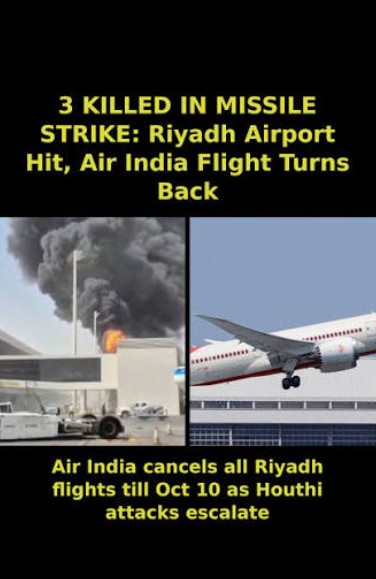
The deadliest strike yet on the Saudi capital came on Saturday, October 10. A missile hit the complex housing Terminals 3 and 4 at King Khalid International Airport, which handle domestic flights, according to a regional official. Saudi Arabia's civil aviation authority put the toll at no fewer than 12 dead and 309 injured, several in critical condition. The dead included four Saudis, two Bangladeshis, and one each from the United States, Jordan, Palestine, Syria, Sudan and Egypt; Secretary of State Marco Rubio confirmed an American was among them. Reporting described it as the deadliest attack in any Gulf Arab country since the Iran war began. The Saudi-led coalition in Yemen blamed the Houthis, and by Sunday evening the group had claimed responsibility for Saturday's strike and for several further attacks on the airport.
It was the third attack on the airport in a week. On Thursday, October 8, Houthi strikes killed three Saudis, including an airline pilot, and damaged three aircraft; operations resumed Friday. Saturday's strike came after the airport had reopened. On Sunday, Saudi authorities extended the closure, at least 291 flights had been cancelled in 24 hours, and a fresh attack was reported on Dammam airport that evening. The Houthis also claimed attacks on Saudi energy facilities. An Indian national injured Saturday later died, and Saudi aviation authorities reported a Pakistani resident killed in a further strike, so the toll was still rising as the weekend ended.
The diplomatic reaction was broad and fast. President Trump called the attack "terrible," said he would speak soon with Crown Prince Mohammed bin Salman, and said the United States is evaluating whether to join the war against the Houthis — "We may. We're gonna look at it," he said, adding that a decision would come quickly. UN Secretary-General António Guterres said he was "deeply shocked," and UN envoy Hans Grundberg called strikes on civilian airports "a grave escalation." Qatar called it a serious violation of Saudi sovereignty; Jordan, Egypt, Turkey, Pakistan, India, Japan and Canada condemned it; Oman urged restraint. Australia's foreign minister told Australians to reconsider travel to Saudi Arabia. Saudi and Iranian foreign ministers spoke on Sunday, and Tehran offered to help facilitate Saudi–Yemen dialogue.
Markets noticed. Brent settled Friday at $104.72, up 0.4%, and reached $105.48 in Sunday-evening trade with WTI near $92.44, on the combined weight of the airport strikes and a tanker struck by a drone near the Sohar anchorage off Oman. Saudi Arabia is already running an air campaign against the Houthis in support of Yemeni government forces, and Saturday's toll came as Yemen's war was intensifying.
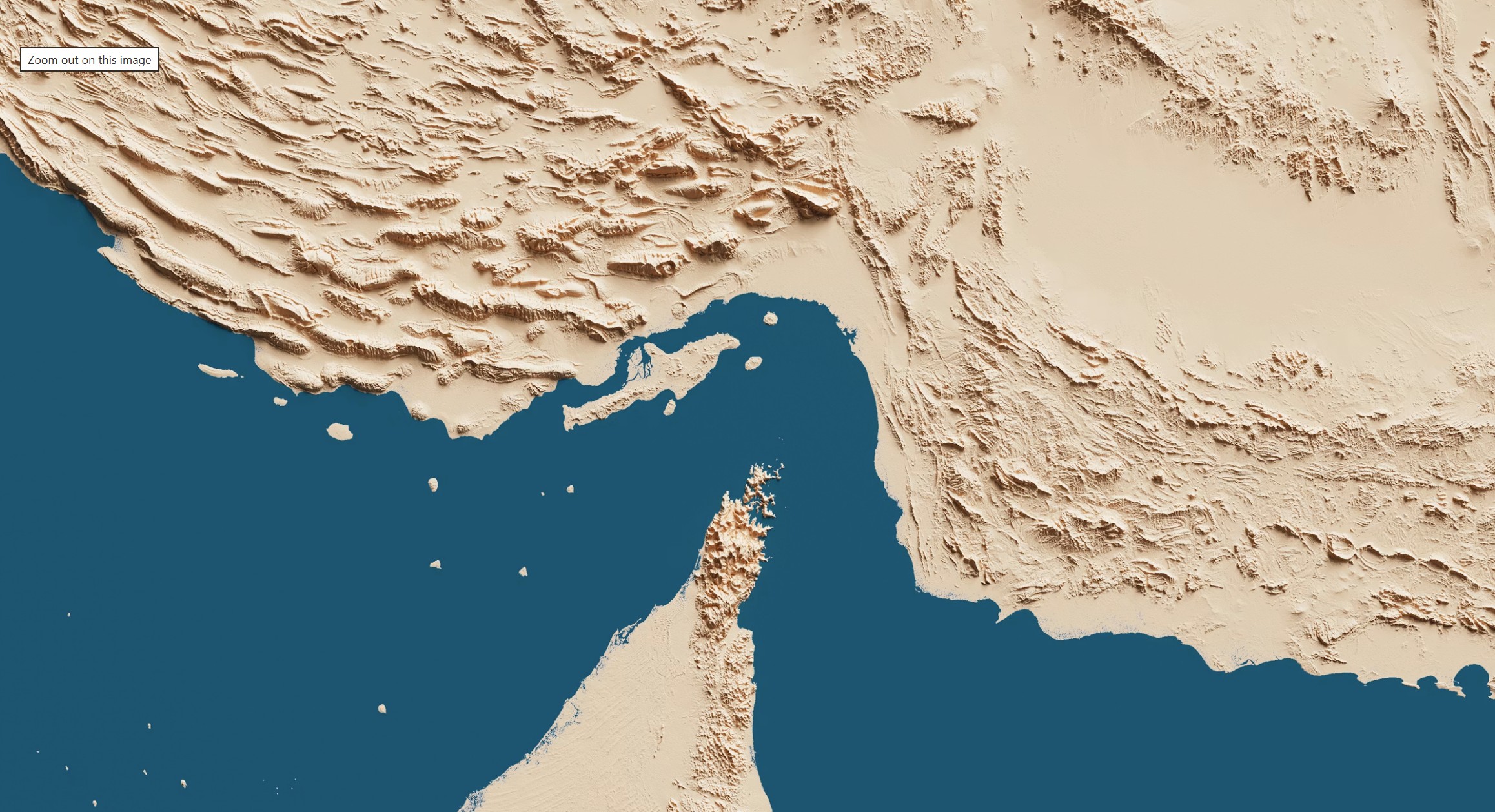
The war's center of gravity keeps moving: first the strait, then the tankers, now the departure hall of a Gulf capital. For operators, the practical point is that the region's aviation hubs are exposed from two directions at once — the strait to the east and Yemen to the southwest — and that a reopening announcement from one authority is no guarantee of a flight.